
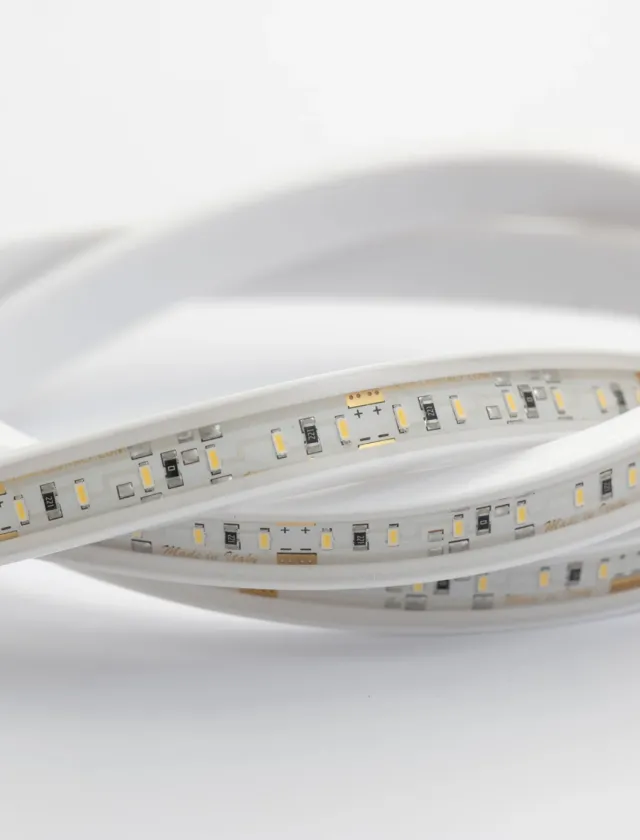


As society increasingly prioritizes sustainability, recycled lighting emerges as a promising solution to mitigate environmental impact.
However, like any innovation, it comes with its own set of advantages and challenges.
Let’s delve into the pros and cons of recycled lighting in the context of sustainable design.

1. Environmental Conservation: Recycled lighting significantly reduces the demand for virgin materials, thereby curbing resource depletion and lowering carbon emissions associated with extraction and manufacturing processes. By diverting waste from landfills, it also minimizes environmental pollution.
2. Energy Efficiency: Many recycled lighting fixtures are designed with energy-efficient technologies such as LED chipset, which consume less electricity compared to traditional incandescent or fluorescent lights. This not only reduces operational costs but also contributes to overall energy conservation.
3. Circular Economy Contribution: Recycled lighting embodies the principles of the circular economy by extending the lifespan of materials and components. Through repair, refurbishment, and recycling, it promotes resource efficiency and facilitates the continual circulation of materials within the economy.
4. Cost Savings: While the initial investment in recycled lighting fixtures may be slightly higher than conventional alternatives, the long-term cost savings are substantial. Reduced energy consumption, lower maintenance costs, and potential rebates or incentives for sustainable choices contribute to financial benefits over time.
1. Limited Availability and Options: Despite advancements in sustainable design, recycled lighting options may still be limited in terms of style, functionality, and availability. This can pose challenges for designers and consumers seeking specific aesthetic or performance requirements.
2. Upfront Costs: While recycled lighting offers long-term cost savings, the initial upfront costs may deter some consumers, especially those operating within tight budget constraints. Additionally, the perceived value of recycled products compared to brand-new alternatives can influence purchasing decisions.
3. Recycling Infrastructure and Processes: Effective recycling of lighting fixtures requires appropriate infrastructure and processes to collect, disassemble, and reprocess materials. In regions where such infrastructure is lacking or inefficient, the full potential of recycled lighting may not be realized, leading to missed opportunities for waste diversion and resource recovery.
